
Archives

Managing your Emotions

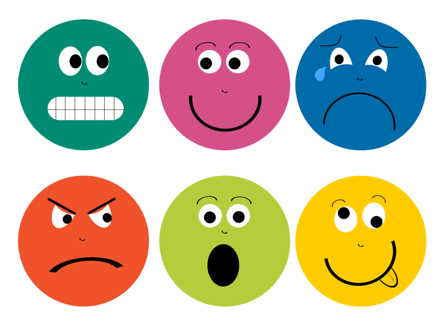
Generally, people try to increase the experience of pleasurable emotions such as joy, happiness, excitement, and hope and have a tendency to try to avoid or distract from painful emotions, such as anger, sadness, loss, and disappointment. However, part of being human is to experience a spectrum of emotions which ranges from pleasurable to painful without remaining stuck or overwhelmed in any one emotional state. When the painful emotions feel threatening or overwhelming to a person, it can seem safer to distract or numb the emotions by engaging in avoidant behaviors. These behaviors might include technology addiction, self-harming behaviors, alcohol and substance use, or overeating habits. In order to be able to tolerate our emotional experiences, we need to begin to understand our emotions first. Emotion regulation encompasses a set of skills which you can learn to use in order to increase your tolerance for emotional distress in moments where your anxieties, fears, and other painful emotions are amplified. The key to emotion regulation is developing the ability to be flexible in how you respond to situations that trigger intense or painful feelings.

1- Understanding Emotions: Learn to pause, step back, and reflect on your emotional experience in the moment to begin can to observe what has led to the change in your feelings. The purpose of becoming mindful in your observation is not to judge or change the emotions but to practice increasing awareness of the triggers which led to the emotional shift, the underlying thoughts /messages which you might be telling yourself about a given situation, and to begin to identify any physiological changes within your body associated with the feelings you are having.

2- Radical Acceptance: Part of developing distress tolerance involves learning to accept our emotions when they arise. When referring to “acceptance”, this does not mean “approval” of a situation that might be harmful or upsetting, nor does it mean that we like what is occurring. It simply means that we accept the situation, emotion, or experience as it is without trying to alter it or escape it.

3- Learning New Responses: Over time, we all tend to develop deeply ingrained reactions to situations that are stressful. One strategy to practice in order to develop healthier coping is to intentionally respond in a way that is the opposite of how you would typically respond. For example, if you are feeling angry at someone and you would typically raise your voice and confront the other person in the heat of the moment, then you would pause, take a deep breath, and mindfully respond in a soft or quiet voice instead. This will take time and practice as you begin to unlearn your old patterns of emotional reactivity.

4- Creating Positive Experiences: Actively focusing your thoughts on positive things in your life and establishing healthy lifestyle habits will enhance your ability to experience more positive emotions as well as to manage the more painful ones better. Engaging in activities that you enjoy and spending time with people you care about is one example of how you can increase opportunities for joyful moments. Eating well, exercising regularly, and practicing regular self-care such as cultivating gratitude also supports you in developing healthier coping strategies for your mind and your body.

If you or someone you know is struggling with managing their emotions and would like support in developing healthier coping skills, please call us at 514 223 5327.

Written by Marianne Chivi, M.A., C.O.

The Benefits of Laughter

I was at a conference recently in which the presenter cited a statistic that blew me away. Did you know that the average 4-year-old laughs 400 times a day and the average 40-year-old laughs 4 times a day? This means that too few adults are accessing the health benefits of laughter.

Laughter is one of the earliest forms of communication, it becomes available to the infant long before words do. It can be a very pure form of communication, and it certainly is up until we learn to fake it. But even though all of us are familiar with the hollow form that laughter can take, we also know the release that a genuine belly laugh can provide.

Laughter really is good medicine. Its effects include reducing stress hormones like cortisol and increasing the level of health-enhancing hormones and neurotransmitters. It also increases antibodies and it improves the work of T cells in the body which help us to fight viruses. It also reduces muscular tension, improves blood flow and lowers blood sugar levels.

Laughter also reduces stress and improves sleep. It is considered a prevention for depression and anxiety since it has such a positive effect on mood and brain functioning. It has also been shown to improve relationships and increases how much you attract others. And even though laughter tends to be accentuated when you share it with others, laughing on your own works just fine.

There are lots of ways to increase opportunities to laugh. Simply making the conscious effort to laugh more will help you. You might worry that it will seem strange at first, but it can easily build into genuine laughter with persistence. Select humorous books, radio shows or movies to get you going. Play with children, they are tremendous at finding the silly within the ordinary. Spend time with friends who tend to be funny or those who simply like to laugh. Intentionally look for the humor in life and start collecting a repertoire of funny memories to reflect upon to lift your spirits anytime you want or need.

See if you can find ways to incorporate more laughter throughout your day. It will make your days brighter and provide an antidote for the curveballs that life throws our way. If you or someone you know need help to build a happier life, we would be more than happy to help. You can reach us at 514 223 5327.

Written by: Shawna Atkins, Ph.D., OPQ.

Let’s Talk About Orgasms

Millions of women are frustrated by an inability to achieve orgasm. Historically, most men in North American society have learned to masturbate by the time they reach adolescence. Many women, on the other hand, have been led to believe that their genital area, sex, and sexual touch are taboo. As a result, countless women have not had an orgasm by the age of 18. Fortunately, attitudes have slowly shifted over time; today women are seen as needing and deserving sexual pleasure just like their male counterparts. There are now mental health clinicians specially trained to treat anorgasmia; they can identify and treat underlying causes, helping women to feel more sexually fulfilled.

The term “anorgasmia” refers to women who are unable to achieve orgasm even with ample sexual stimulation, often causing psychological distress. The most common causes for the condition include psychological, relationship, and cultural factors. Other conditions associated with anorgasmia include diseases affecting the human sexual response, gynecological surgeries, medications that interfere with orgasm, alcohol and smoking, and the aging process. Before pursuing counselling/sex therapy for anorgasmia, it is important to rule out a treatable underlying physical condition by seeing a gynecologist.

Counselling/sex therapy for anorgasmia focuses on three main areas: sex education, couple issues, and cognitive behavior therapy (CBT).

Sex Education
Women are taught about their sexual anatomy and physiology. This can include diagrams used in session as well as at-home self-examination exercises involving the use of a mirror. Women will also learn about how they like to be touched through at-home exploration of their bodies and self-stimulation/masturbation. Sometimes women have difficulty achieving orgasm because of insufficient sexual touch/stimulation. Not all women realize that stimulation of the clitoris is necessary to achieve orgasm. Altering sexual touch and sexual positions can increase the chance of clitoral stimulation and orgasm. Once women have a better understanding of their bodies and what they like, they can share this information with their partner(s), enhancing partner-sex and increasing the possibility of orgasm.

Couple issues
Relationship conflicts can affect a woman’s ability to orgasm. As such, anorgasmia is not to be viewed as the woman’s problem alone, rather as a couple issue. Counselling/sex therapy can help you to work through disagreements and tensions, which can improve sex. Couples are often taught the skill of effective communication. Not only can communication improve connection between partners, but it can also be used to enhance connection and satisfaction in the bedroom. For example, women can learn to properly communicate the forms of loving that turn them on. Couples are also likely to learn about sensate focus, which is a form of whole body massage that begins with non-genital touch and ends with genital sex. The goal is to teach couples to be more engaged in the sexual experience. Sensate focus allows for a shift in focus from orgasm to learning about how to touch and please each other. By removing the goal of orgasm, a woman who experiences anorgasmia is able to let go of anxiety and tension and thus increase her sexual satisfaction.

Cognitive Behavior Therapy
CBT is used to treat anorgasmia by focusing on changing negative thoughts and attitudes about sex. Examples of negative thoughts and attitudes include: I am not a good sexual partner, sex is dirty, and my body is unattractive. By challenging and modifying some of these unhelpful thoughts, women see a reduction in anxiety surrounding sex and are more likely to experience sexual satisfaction and have an orgasm. CBT for anorgasmia also focuses on addressing everyday stress, given that a stressed brain impedes the ability to let go and orgasm.

Although orgasm is not essential for satisfying sex, the ability to have one can be reassuring and satisfying. If you or someone you know is struggling with the inability to orgasm, rest assured that we are here to help. Call us at 514 223 5327 to set up an appointment with one of our clinicians.

Written by: Dr. Andrea Guschlbauer, Ph.D., OPQ.

Older Adults Can Have Sex!

There is a popular misconception that with aging comes the end of sex. Somehow, we equate reaching a certain age (some say as early 50, others as late as 70) as a death sentence for sexuality. Apparently, there is a cutoff point at which we cease being sexual beings. Some people fall prey to society’s views and dismiss sex; that was something they engaged in during their younger years and it is no longer a part of their present. Others feel weird that they still have interest in something that has become taboo and is not talked about. Yet others find themselves in a relationship where sex has become a dividing factor; one wants to continue having sexual intimacy as part of the couple while the other has shelved it. I want to let you in on a secret: sex does not have to stop at a certain age, rather the way you have sex changes.

Bodies change with age, affecting what happens in the bedroom. For women, there is a decline in vaginal lubrication, which can make sex uncomfortable. The vaginal lining thins, adding to discomfort. Lubrication can help, but not necessarily. For men, it takes longer to get aroused, and there is a need for more direct touching (i.e., they cannot rely on fantasizing alone). Erections become less firm and slower to rise. Even if erections are not an issue, older men often find that minor distractions result in a loss of rigidity. For both men and women, medical conditions begin to either limit sexual activity or medications used to treat them bring negative side effects that affect sex.

If we assume that good sex necessities natural lubrication, firm lasting erections, and perfect health, we can see why the assumption that aging and sex do not mix exists. That is, if we assume that sex means penis-vagina penetration. Here is the thing: you can have deeply satisfying sex without the “in-and-out”. You can move away from penetrative intercourse to sex that involves kissing, hands, mouths, cuddling, sex toys, and whole body massage.

Retiring from being sexual partners decreases intimacy and disregards a basic human need for touch. Using your hands, your mouth, and sex toys allows you to continue to reap the many benefits of sex, including orgasm. The results of aging can actually enhance sexual experiences. Typical gender conflicts now reverse and become a source of synchronicity. For example, women tend to value emotional closeness while men highly value sexual closeness. With age, women continue to appreciate emotional intimacy but they also put importance on sexual intimacy. They care about sex; frequency, duration, and orgasm. At the same time, men seem to increase their regard for emotional closeness. Women who tend to enjoy extended foreplay now find that men are more willing to slow down and engage. Given that men now benefit more from direct touch, they learn to welcome the foreplay that their partner has always enjoyed. “Outercourse” (whole body massage) can become flirty, playful, and deeply sexually satisfying. Lovemaking moves from erections and penetration to a wider whole body experience.

Change is challenging for most people, including changes in how to have sex. However, older couples can choose to help each other transition from what used to work sexually to something new and possibly even more enjoyable. They might discover a deeper connection that is rich in eroticism, bringing them closer and feeling more in love. The choice is yours: you can decide that sex is over, or you can choose to accommodate and continue to enjoy lovemaking. You might be surprised to find out that “old age sex” is fantastic, maybe even the best sex of your life.

We hope that these ideas help you to adjust to the sexual changes that come along with aging. If you or someone you know needs assistance with the transition, we would be pleased to help. You can reach us at 514-223-5327.

Written by: Dr. Andrea Guschlbauer, Ph.D., OPQ.

Should I Stay or Should I Go?

Many people find themselves questioning their relationship and wondering if it is time to call it quits in hopes of a more fulfilling future. Maybe your relationship has not fully failed, but it flounders in the realm of “not great”. Clients often ask me, “Should I stay or should I go?” Deciding whether to leave a relationship is a deeply personal choice. Ultimately only you can decide what to do, but counselling can be a place to sort out this profound decision.

The truth is, many relationships should end. Sometimes even “good people” simply cannot resolve their relationship issues no matter how much and for how long they try. If you have tried your best and the relationship is still not working, you need not blame yourself; rather you might use what you have learned to better future relationships.

On the flip side, some relationships can be repaired. If you are both willing to do all you can; to look deeply at why things went wrong and you are willing to invest the effort, then there is hope.

You can stay, you can go… or as a third alternative: you can remain on the fence. This is the least helpful option. When you are stuck in limbo and ambivalence, you are by default not committing to making efforts to improve. Nor are you putting in any action to begin the process of leaving and healing, of living a new life. It’s better to choose a side of the fence than to stay on it.

How do you decide what to do when you experience ambivalence about your relationship?

Here are some things to think about if you are questioning your relationship:

1. Ask yourself if you are willing to cultivate the following essentials

Trust
• Honesty
• A sense of safety
• Communication
• Shared interests
• Commitment
• Self-and-partner esteem
• Respect
• Common goals

2. Carefully explore the following considerations:

Have small irritations become so frequent that they are no longer tolerable?
Not-good interactions outnumber good interactions and resentment has surpassed a workable point. Neither of you is willing to make changes to your upsetting behaviors and you can no longer tolerate each other if these behaviors remain.

Are your needs and desires so different that there is no room for compromise or change?
For example, different sex drives, dreams, values, or relationship expectations; different views on finances, children, or place to live. There is a need you cannot live without or you are unwilling to compromise the need.

Are there too many external stressors in your life?
Too many stressors can surpass a couple’s ability to cope. For example, work demands, major illness, accidents, family or origin needs, or financial instability. Stress can reach a point of eroding even deeply committed relationship; sometimes too much is too much.

Does your relationship lack depth?
Your connection has become shallow, predictable, and ritualistic, requiring little to no effort. Such a scenario can leave you susceptible to seeking intriguing experiences outside of the relationship.

Is your relationship characterized by boredom?
You’ve stopped discovering each other. You take each other for granted and have lost interest in continued growth. There is a lack of excitement, surprises, challenges, and passion. Similar to a lack of depth, boredom can tempt you to find ways to feel alive outside of the relationship.

Are you investing too much outside of the relationship?
For example, investing in social engagements, substances, sporting activities, excessive work commitments, etc., to the detriment of the relationship. Your outside priorities drain energy from the couple; your escapes have become more important than your relationship.

Do misunderstandings and misassumptions outnumber mutual understanding?
You no longer listen to each other, you have lost interest in each other, and you no longer attempt to resolve disagreements. Rather than put in work, you ignore the problems.

The above questions and considerations can help you come to a decision on whether your relationship issues are workable or not, and if you want to stay in the relationship. An additional consideration that is often forgotten is how you feel in your body. What is your body telling you? Your body can inform you about your level of stress or other emotions that are not always registered in our mind. Pay attention to your body’s reaction when you ponder whether to stay and whether to go. Notice the feelings that arise, such as tension/tightness versus relaxation/release.

When it comes down to it, nobody but you can decide whether you should stay or go. Consider the points above, ask yourself tough questions, and consider counseling. Work through the ambivalence to determine changes that can benefit both you, your partner, and your loved ones (especially children). You do not have to stay in an unhappy relationship. If you conclude that you and your partner cannot be happy together, consider ending it. You will do yourself a favor and may even avoid something worse, like cheating. If you conclude that you are happiest in a relationship together, then put in the hard work to repair the things that got you in a place of doubt.

If you need help resolving your ambivalence, we can help you come to a decision. Give us a call at 514-223-5327 and ask to set up an appointment with one of our couples counseling specialists.

Written by: Dr. Andrea Guschlbauer, Ph.D., OPQ.

Supporting a Loved One through Their Depression: Part II

Last week, we looked at some of the myths surrounding depression and a few of the ways depression can have an impact on people who have loved ones who might be struggling. So how can we support someone we love who is suffering from depression?

1-The first step is to take better care of yourself. If you are struggling, then it can be impossible to support someone else who is also struggling. I often use the example of using an oxygen mask on an airplane in the case of an emergency: If you are unable to breathe, how can you possibly help the other person? We must take care of ourselves first in order to be a strong and healthy ally for the person struggling with depression.

2- Recognizing that it is NOT your fault that the person you are caring for is feeling depressed. Finding a way to let go of the idea that you had any responsibility in causing your loved one’s depression is crucial in your own self-care and in being more present in caring for your loved one.

3- Reminding yourself that the person who is suffering needs to work it out for themselves. Although you can be their ally and support, it is ultimately their responsibility to get the help that they need.

4- Educating yourself about depression and mental illness can be very empowering and helpful. The more you can understand depression, it’s signs, myths and its treatments, the stronger you can be in supporting your loved one.

5- Get support for yourself. It is very important that you have an outlet for your own challenges, emotions, thoughts and fears as you are going through the challenging experience with your loved one. Different forms of support could include keeping a journal, joining a support group, talking to other family members or friends about your experiences and seeking therapy for yourself.

6- Setting aside time for yourself at least once a week in order to recharge your batteries and to do something that is important for YOU. It may seem strange to suggest time alone and away from your loved one but this is necessary in order to feel rejuvenated and to be able to tackle the rest of the week with more strength.

7- Preserving routines and comfort rituals can be very nurturing for both the person of support and the person struggling with depression. One example of this is maintaining hobbies such as baking, regular exercise, painting. The presence of routine can be very stabilizing in the midst of emotional turmoil.

8- Maintaining your friendships and having fun. This may sound simple or might elicit feelings of guilt or discomfort at the idea of having fun when your loved one is suffering. However, we all need to have balance and an outlet to better manage life’s challenges. There is a tendency for those supporting others through their depression to also withdraw which actually puts them at risk for depression themselves. Therefore, spending time with friends and having some joy in your life can have a positive impact on your ability to support your loved one.

9-Remembering that change is always occurring and that regardless of how painful your current experience might feel it is temporary. The idea that “this too shall pass” and we are all a part of a much bigger world that is in constant motion can be helpful in shifting our perspective from the present suffering.

10- Finally, the practice of “letting go” is probably the hardest step but the most powerful one that you can begin to practice. Whether through mindfulness practice, through prayer, nurturing rituals, relaxation exercises or cognitive strategies – whatever method helps you to slow down and let go of what you cannot control can be a liberating and humbling process.

Your loved one might experience fear of being abandoned, feeling “bad” or “not good enough”, and repeatedly needing assurances that you are not going to leave them in the midst of their pain and suffering. Therefore, letting your loved one know that you are in this with them and will get through this difficult experience together can be very healing. Sometimes, there is nothing to actually “do” besides being present and empathic with the person. This can mean telling your loved one that although you are not feeling the same things that they are, that you are here with them as they go through it. Being available, understanding, supportive, caring, and present, you are doing a lot more to help your loved one than it might seem in the moment. Shifting your stance from “doing” to “being” can have great impact on your loved one’s recovery. This is why your own self-care becomes necessary so that you can “be” well, and it will help you to avoid burning out or becoming resentful. This is particularly important if you have other family members that also require your attention. Encouraging your loved one to seek out support is another way that you can be an ally in their recovery. Whether through therapy, medication, regular exercise or talking to a physician – letting your loved one know that resources are available can mean the first step toward recovery of their depression and their life.

If you need assistance in supporting your loved one or if you are suffering from depression yourself, you can schedule an appointment to meet one of our clinicians by calling us at (514) 223-5327.

Written by Marianne Chivi, M.A., c.o.

Supporting a Loved One through Depression

Depression is certainly poignant for the person experiencing it but we often overlook its impact on caregivers. It can be a very challenging and heartbreaking experience to witness somebody close to you struggle and to not know how to help. In this blog post, we will provide a general overview of the signs of depression, the myths that interfere with effective support and the impact it often has on a person’s loved ones. Next week (Supporting a Loved One through Depression: Part II), we will look at how you can effectively support a loved one to cope with and recover from their depression.

Depression can look different for different individuals. For example, it can appear as overall pessimism, anger, sadness, anxiety, fatigue or even in the form of an addiction. Symptoms may include: persistent feelings of hopelessness/sadness/emptiness/worthlessness, a general loss of interest in things, withdrawing from friends and family/social isolation, fatigue, change in sleep patterns, change in appetite, self-medication and suicidal thoughts. However, not everyone will experience all of those symptoms simultaneously or some people may experience varying degrees or frequency of symptoms at different times during a depressive episode. Before we look at some ways of supporting a loved one through their depression, it is important to highlight some myths of depression that can interfere with our ability to provide the appropriate support:

1-“It is all in your head”. Depression can be a symptom of other medical illnesses or it can have biological causes. Even when it presents as a chronic condition that has no clear cause, it always creates biological changes to the brain that can be extremely difficult to change.

2- The belief that if they were controlling/managing their negative thoughts such as “I’m lazy”, “I’m stupid”, “I’m a failure”, or “I’m hopeless”, that they can feel better. The fact is that when someone is in the dark hole of a depression it can feel almost impossible to control the recurring negative thoughts which come into a person’s mind. The effects of depression on the brain is such that it increases the likelihood that you will repeat the same behaviors that will make your depression worse.

3- With enough “will power”, they can overcome their depression. Statements such as simply “snapping out of it” or “trying harder” can in fact cause more harm than good. One way to think about such comments is to replace depression with a physical illness such as liver disease, for example: “If you had stronger will power, you can make your liver function better”. We wouldn’t suggest that to a person suffering from a physical illness so we certainly can’t suggest that to someone suffering from depression.

4- That depression or other mental illnesses occur because a person is “weak” or “crazy”. This belief can lead to feelings of shame which can lead to further isolation. The stigma surrounding mental illness is very discouraging which can exacerbate the person’s condition further.

5- “If a person is depressed then they cannot be productive”. This statement is simply untrue. Many people who are feeling depressed lead functional productive lives but suffer in silence.

It is common for people close to a person with depression to personalize their loved one’s suffering as though it were a reflection of them failing in some way. Feelings of rejection, helplessness, fear, anxiety, worry, being overwhelmed and guilt are commonly reported. Some people may find themselves questioning if they were “bad” parents, partners, friends, sisters/brothers, which contributed in some way to their loved one becoming depressed. Another impact within a relationship with someone who is depressed might be a loss of emotional and/or physical intimacy, feeling neglected, communication changes, and an overall sense of uncertainty regarding when their partner will recover or relapse into another depressive episode again. Feelings of being trapped or perhaps anger/resentment at the shift in the course of your lives as a couple may also surface. If the depression is long-standing or chronic, a caregiver may begin to experience burnout or become depressed themselves. Some signs of burnout include feeling burdened, as though you have reached your own limits in your ability to cope, insomnia, headaches/migraines, irritability or anger, stomach upset, frequent colds/illnesses, heart palpitations, backaches, sadness, emptiness and decrease in efficiency.

Next week we will look at steps that you can take to better support a loved one who is depressed. In the meantime, if you or a loved one are experiencing depression or are struggling in supporting someone through a depression, we can help you. You can reach out to us at (514) 223-5327.

Written by Marianne Chivi, M.A., c.o.

Learn to lust again: Reviving sex-drive for women

Many women experience a decrease in or absence of sexual desire at some point in their lives. The reasons why are vast and complex. Aside from possible physical causes, contributors can include socialization, sex drive differences, balancing multiple roles and psychological causes.  Women are raised to focus on being desirable rather than on their own desire. In many cultures, women are encouraged to prioritize their physical appearance so as to be attractive to potential mates. It is far less common for women to be taught to tune into their sexual desire; women are often labeled as “sluts” if they veer too far from expected gender norms around sexuality and sexual expression. Another possible contributor to decreased sexual desire is being in a relationship with a partner whose sex drive is higher. There is debate around whether men have higher sex drives than women (in different-sex relationships). However, regardless of who wants sex more, men might initiate more often, leaving little room for women to tune into and explore their desire. For example, if your partner is constantly hounding you for sex, you probably don’t get the chance to have your own desire build up and expressed. Women are also likely to feel drained by their everyday responsibilities; balancing their relationship(s), career, children, hobbies, etc. Oftentimes women’s’ plates are so full that there is no room for sexual desire. We can also imagine that if a woman is having a tough time emotionally, sex may fall to the bottom of the priority list. Depression, anxiety, stress and past sexual trauma can all get in the way of sexual desire.

Women can regain or heighten sexual desire, especially if they can identify the cause(s). Sometimes making small changes in everyday life has a direct impact on desire. For example, decreasing the use of substances (cigarettes, drugs and alcohol), prioritizing and scheduling time for intimacy, focusing on fitness and working on improving communication within the couple.

Here are a few things to consider in an effort to increase sexual desire:

  1. Reconnect with your body: When women experience low desire, they can develop negative thoughts and feelings about their bodies. For example, they have thoughts such as – I am fat, my breasts are too small, my thighs shouldn’t touch, etc. If you feel poorly about your body, chances are you are not motivated to share it with your partner. You might try examining your body in a non-sexual way; stand in front of a mirror and simply observe. You want to look at yourself without feeling stressed or anxious and practice not judging. When critical thoughts arise, bring yourself back to simply observing. The idea is that you want to move away from negative thoughts and feelings to a neutral, eventually positive stance. When you feel good about your body, you are more likely to feel desirable, aroused and want to engage sexually.
  1. Communicate with your partner: Low sexual desire can cause tension in relationships. Keeping what you’re going through to yourself can create a wall between you and your partner(s) and lead to misunderstandings and conflict. One can imagine that conflict can lead to an even further decrease in desire. Choosing to communicate openly and honestly about your low desire can lead to a sense of emotional closeness, which can transfer to an increased desire for sexual intimacy. Emotional closeness can also move the focus from sex to nurturing other aspects of the relationships (e.g., recreational intimacy, physical intimacy, spiritual intimacy and intellectual intimacy), enriching and strengthening the relationship overall.
  1. Challenge negative thinking: Sometimes women experiencing low desire fall into a trap of unhelpful thoughts (e.g., I’m not in the mood so I can’t be intimate, I must be unattractive to my partner when I’m so stressed out). By learning to think more positively, women might notice improvements in self-esteem and arousal. A key component of good sex is a positive state of mind; if you feel good about yourself and sex brings about positive thoughts, then you’re more likely to want to have it!
  1. Incorporate touching: Often when women are struggling with desire they cease all forms of intimacy, including physical touch. Touching your partner and being touched can bring about a sense of closeness during challenging times. It also allows your brain to re-connect with touch in a positive way. You’re reminded that not all touch has to be sexual, thus decreasing all-or-nothing thinking. Sometimes holding hands or hugging can feel as intimate as intercourse. Getting used to touching again can eventually lead to increased arousal and increased comfort with sexual touching.
  1. Add couple time to your calendar: Too often couples forget to prioritize their relationship. By scheduling quality time together, you are giving your relationship the opportunities it needs to flourish. Do something enjoyable together; try a new activity or simply decide to have breakfast together. By spending time together, you will increase your chances of feeling close to one another. You can even schedule time for sex, which allows you to get into a proper state of mind (think- happy, sexy thoughts instead of being caught off guard in the middle of feeling stressed out or tired).
  1. Get creative: If you and your partner have fallen into the same old sexual routine, consider changing things up. Have sex in a different room than usual, go to a sex shop together, watch erotica, talk about things you have always wanted to try, share fantasies. Sometimes novelty can re-ignite feelings of desire.
  1. Try mindfulness: In short, make an effort to be present in the moment, nonjudgmentally. This can start with simple moments of physical affection: really look at your partner, take in each other’s smell, touch each other’s skin and hair, taste each other’s lips. Let any negative thoughts pass through you and refocus on experiencing your partner and the intimate moment. You can also do this while having sex; see our blog on enhancing sex with mindfulness.

Low desire can be a challenge but it can also be an opportunity to work on improving how you feel about yourself as well as a chance to reconnect with your partner(s) and strengthen your relationship(s).  If you recognize that you are struggling with desire and would like to further explore ways to improve arousal, give us a call at 514-223-5327 and we will be pleased to assist you.

Written by Andrea Guschlbauer, PhD.

Managing Anger

Anger is a natural, normal, and healthy emotion that all humans experience. The problems arise in how it is expressed. Anger, like all emotions, provides us with valuable information. When we are in tune with our anger it can inform us about how we need to proceed in the situations from which it is arising. For example, do I need set limits in similar circumstances in the future? Do I need to behave differently? Do I need to learn to better manage my anger so that I can act more appropriately?

Take a moment to reflect on how anger plays a role in your life. How is it expressed in your relationships? Has it ever caused problems in your workplace or school? Have you ever had any health concerns that were directly linked to anger (ulcers, blood pressure, heart problems for example)?

A good first step is to recognize and be mindful of your own symptoms of anger. Every person is different so some of these may not apply to you or you may notice something that is not on this list. A little self-awareness can go a long way. Symptoms of anger tend to fall into three categories: behavioural, emotional, and physical. Here are some examples of each.

Behavioural: screaming, substance use, withdrawing, crying, changes in tone

Emotional: feeling anxious, feeling depressed, feeling guilty, a desire to avoid

Physical: stomach pains, clenched jaw, grinding teeth, headache, blushing

Three Response Styles

People tend to do one of three things when angry: escalate, stuff, or manage. Escalating refers to times when you cannot control your anger and it leads to displays of aggression, yelling, and blaming others. A stuffing response is when one attempts to deny their own anger or turn it inward. This often occurs when people are concerned with social context or expectations. Managing anger is the most healthy and productive response. Having open, honest, and calm conversations about conflicts is the way to go. Here are some ideas to help you get there.

Communication Techniques

  • Do not bring up past conflicts that are not relevant simply to hurt the other person or “gain advantage”.
  • Avoid viewing the conversation as a competition with winners and losers.
  • Collaborate and compromise.
  • Use “I” statements expressing how you feel as opposed to blaming.
  • Take breaks from the conversation before it escalates.

General Techniques

  • Practice relaxation techniques such as deep-breathing, meditation, and progressive muscle relaxation – these will help you to escalate less.
  • Write down your feelings so that you can review and reflect upon them in a safe and productive manner – then you can express them more clearly.
  • Practice acceptance when situations are outside of your control.
  • Practice responding with a friend and discuss how to improve (role-play).
  • Use potential excess energy for positive reasons (exercise, cleaning, gardening, etc.).

Misconceptions

A very common misconception is that it may be a good idea express anger in a different context for cathartic reasons (e.g. hitting a pillow). The problem with this is that your brain tends to make the association that hitting is a good idea when angry and reinforces the action across contexts. This means that in the future the target may no longer be a pillow.

Another concern about playing out anger in other contexts is that it can lead to a concept called displacement in which one habituates to the idea of taking out their frustrations on others in different “safer contexts”. For example, an employee knows that they cannot yell at their boss for fear of losing their job but they can bring that anger home and take it out on a partner without any workplace repercussions.

A final misconception is that people are more truthful when angry or that statements made when angry are the truth. This is absolutely false. More often than not, statements made in anger are either attempts to hurt the other individual or to gain an imaginary advantage.

If you or someone you know need support in working on anger management, please consult with one of our professionals at (514) 223 5327.

Written by: Robin Jolivet M.A.

Enhancing Sex with Mindfulness

Some of you may have read our previous blog about mindfulness. A leading expert in the field has described mindfulness as, “Paying attention in a particular way; on purpose, in the present moment and nonjudgmentally.” Now you might ask what does mindfulness have to do with sex? Well it turns out that the manner in which we experience sexual activity is of great importance. We can think of experiencing as being on auto-pilot or being fully present and aware of all of our senses. You might notice that you have fallen into a usual course of events when it comes to sex especially if you have had the same partner(s) for a long time. Your sexual menu may always feature the same setting, atmosphere, positions, etc. You know what works and what does not. However, as we become more and more used to something, even when it comes to sex, we can become desensitized and even get less pleasure out of the tried-and-true. Even if the usual sexual routine still brings you pleasure, there is the potential for pleasure to be enhanced if you move from auto-pilot to mindfully bringing your attention back to the experience.

If you’re still wondering, “What exactly is this thing called mindfulness” you might try the Raisin exercise. To eat a raisin mindfully hold it in your hand and experience it from all angles – smell it, experience bringing it to your mouth mindfully so that you might notice movements in your arms, hand, fingers; bring awareness to the feel of the raisin touching your lips, saliva arising in your mouth, the texture as you swirl it around and then chew the raisin; the taste as you bite down and even following the sensation of the raisin going down your throat into your stomach. While eating the raisin mindfully, thoughts may pop into your head like “This is silly”, and we suggest you let the thought pass by without judging it. A common reaction to the raisin exercise is to note how differently that felt; you experienced eating the raisin in a much more engaged way. Researchers have documented a multitude of benefits of practicing mindfulness, which include: reduced rumination, stress reduction, boosts in memory, focus, less emotional reactivity, more cognitive flexibility, relationship satisfaction and many more. Practicing mindfulness allows us to cope with life pressures in a calm manner, which has the potential to increase our overall well-being.

Mindfulness lends itself well to sexual activity; rather than going into auto-pilot you mindfully tune in to all your senses just as you did during the raisin exercise. Mindfulness can also help shift you from the spectator role during sex. Imagine a sexual encounter where you are thinking about pulling in your stomach and avoiding unflattering angles or where you are consumed with whether your performance is satisfactory to your partner. In these scenarios, you are preoccupied with watching/monitoring yourself. Your focus is on you and not your partner or the experience. Essentially, you are watching yourself have sex while at the same time playing an internal tape critically analyzing yourself. Does not sound very sexy, does it? When we are in an anxious state of mind we tense up and constrict our blood vessels. Blood flow is reduced and redirected to our outer limbs. There is less blood flowing to the genital area, which is necessary for men to get an erection and women to experience sensation in their clitoris. Anxious self-focus then decreases the likelihood of having an orgasm.

You might be starting to see the problem with focusing too much on ourselves and bringing anxiety into the bedroom. Incorporating mindfulness into sex can help to reduce these common problems. Being mindful means giving your complete attention to the experience at hand; being fully present in the moment. Recall going on a wild fair ride as a child; you were fully immersed in the experience, fully present and in the moment. If you had negative or anxious thoughts they were quickly put aside to re-engage in the ride. You want that same stance in your sexual encounters. Show up and tune in; bring awareness to your body and senses, be present in your mind and attune toward your partner. Mindful sex entails being present and able to describe what is happening without judging any part of the experience as good or bad. Here are a few key pointers for having sex mindfully:

  • Start by practicing mindfulness on a daily basis. Choose an activity that is already part of your daily routine (e.g., making coffee, walking, washing dishes, taking a shower). For 2-3 minutes fully tune in to the activity – to what you see, hear, smell, touch and taste). The more you practice and incorporate mindfulness into your lifestyle, the easier it will be to call up this mindful state during sex.
  • Breathe. Not just taking in and expelling air but deep, conscious inhales and exhales. Really fill your lungs and diaphragm with life-giving air and exhale stress. The better you are breathing the more energy you are giving to your sexual regions.
  • Remain present. Tune in to what is happening both within yourself and your partner(s), as well as the connection between you. Fully pay attention to the experience. Take care to minimize distractions (e.g., TV, kids, phone). Focus on your senses. Remember the raisin exercise! Pay attention to the sexual encounter the same way you paid attention to the raisin.
  • Take a stance of acceptance and nonjudgement. Leave negative feelings and expectations at the door. If negative thoughts enter your mind allow them to float by without focusing on them or judging. You cannot focus on negative thoughts and be fully engaged sexually at the same time. Choose to enjoy what you are feeling, enjoy your partner, enjoy the entire encounter!

Remember that mind-wandering is natural and can strike us even while having sex. No need to be too hard on yourself; but rather gently bring yourself back to mindfully experiencing the sex at hand.  The key to better sex is to really be there when you are having it. If you make the commitment to practice mindfulness slowly throughout your day and then more specifically in the bedroom, you are fairly certain to reap the rewards. You will have an enhanced ability to experience all of your bodily sensations; you will notice improvements in expressing your feelings through your body and at noticing the same in your partner(s); you will get better at tuning in to your partner and thus be a better lover (your partner can in turn also be more tuned in); and finally, each of you has a renewed potential to have an orgasm.

Try incorporating mindfulness into your daily life and more specifically your sex life, if you need support call us to consult with one of our therapists at (514) 223-5327.

Written by: Andrea Guschlbauer, Ph.D., OPQ.